
Okay, I’ll admit it — I’ve spent way too much time wondering about that weird little dent on the side of a milk jug. You know the one. It’s perfectly round, a bit caved in, just sitting there like it’s hiding some kind of secret. And guess what? It kind of is. If you’re anything like me (and a lot of folks), you probably figured it was just a random result of how the jug’s made — or maybe even some odd design choice? But nope. That dent actually serves a pretty clever purpose.
So, grab a bowl of cereal, pour yourself some milk, and let’s dive into the mystery behind the milk jug dent.
Why Is There a Dent in the Side of a Milk Jug?
That circular dent isn’t a factory flaw or a lazy shortcut in the design. It’s there for some smart, practical reasons — all about keeping the jug safe, functional, and structurally sound. Here’s what’s going on:
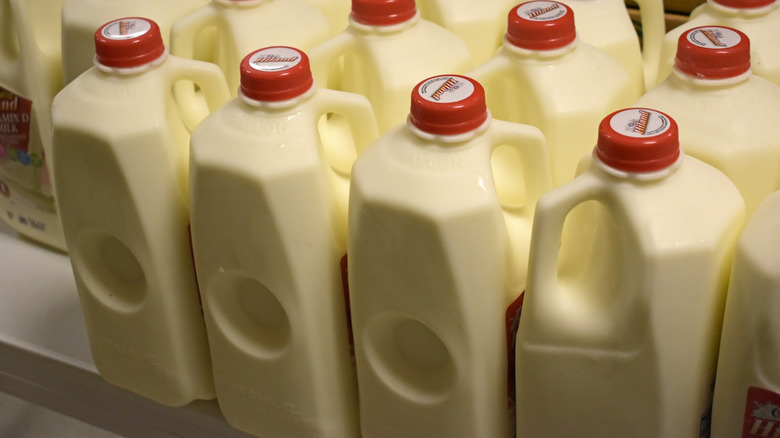
- It Helps Handle Pressure from Temperature Changes
First off — pressure.
Since milk is a perishable liquid, it needs to stay cold. But when liquids go from warm to cold (say, during transport to your fridge), they expand and contract. That dent gives the plastic room to flex with those shifts in temperature and pressure.
Without that little pocket of give? The jug might bulge out, crack, or in some cases, even burst — especially if frozen. The dent is basically a built-in pressure relief zone. Like a stress ball… but for your milk jug.
- It Absorbs Impact to Prevent Cracks
Ever accidentally dropped a milk jug?
Same here. That dent also works like a built-in shock absorber. If the jug gets knocked around — whether it’s falling off a counter or being handled a little too roughly during stocking — the dent helps cushion the blow and spread out the force.