Fewer cracks and fewer spills mean fewer sticky messes to clean up (thank goodness). And for companies shipping milk by the truckload, preventing even a few damaged containers can save real money.
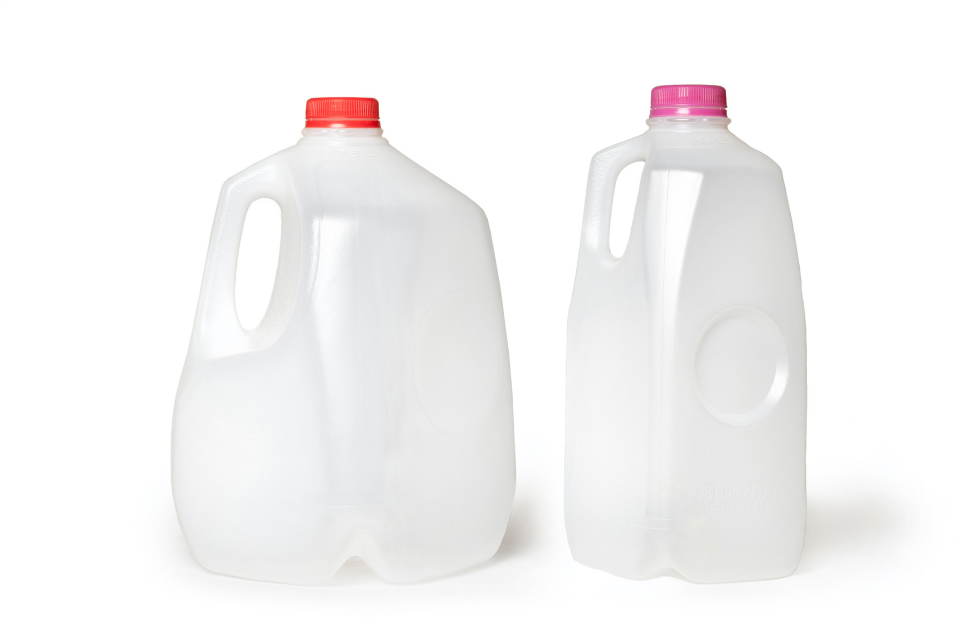
- It Adds Strength Without Extra Plastic
Here’s a smart twist: that dent actually helps reinforce the jug without needing to use more plastic.
Kind of like how a cardboard box stays sturdy with ridges, or how arches in buildings hold weight — the dent boosts the jug’s durability. Instead of making the plastic walls thicker (and more expensive), manufacturers just shape it in a way that adds strength without the extra material.
Efficient and cost-effective. It’s like combining smart design with simple physics.
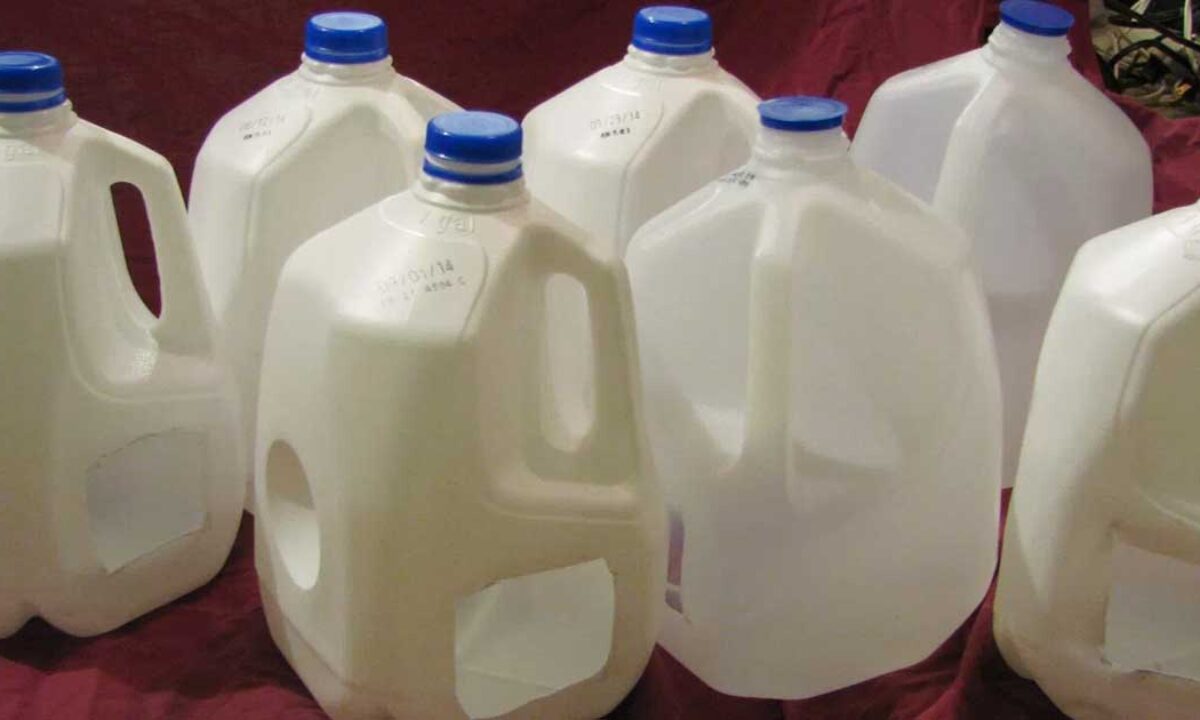
- It Might Warn You If the Milk’s Gone Bad
Now for the wildest part.
When milk starts to spoil, bacteria can release gases that build pressure inside the jug. That pressure can push the dent outward — basically causing it to pop out.
So, if you ever notice a jug with a bulging dent or one that doesn’t look quite right, it could be a sign the milk’s going bad. It’s not a 100% guarantee — sometimes dents pop out for harmless reasons — but it’s a clever little early warning system.
So next time you see that mystery dent? Give it some respect. It’s doing more for your milk (and your breakfast) than you probably realized.